
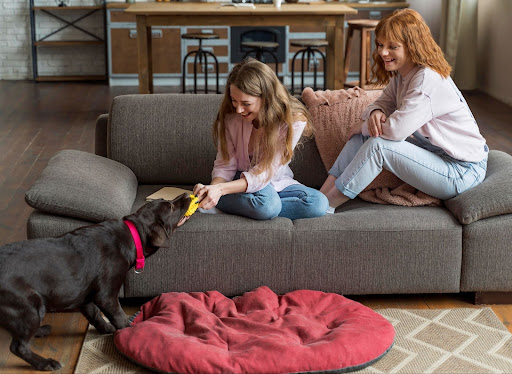
You’ve just listed your Littleton rental property, and inquiries are flooding in. Great news! But then, the dreaded question pops up: “Do you allow pets?”
This sparks never-ending debates among landlords. Yes, pets can be charming and friendly, but they pose risks. So, should you open the door to your furry friends, or should you stick to the safer, pet-free option?
Let’s explore the pros and cons so you can make an informed decision that’s right for your property.
The Pros of Allowing Pets
Boost Your Rental Income
Properties that allow pets are pretty hard to come by, so people with furry companions are more than happy to pay extra for a place that feels like home for them, too. Many landlords use this by setting higher rents or adding pet fees. It’s a good deal for everyone involved because it covers any potential damage their pets might cause, like scratches on the floor or chewed-up furniture.
For instance, if other places in the area are renting for $1,500 a month without pets allowed, you could ask for $1,650 with a pet-friendly policy. That means you’d earn an extra $1,800 over a year, which isn’t too shabby!
Attract Longer-Term Tenants
Pet owners know the struggle of finding rental homes. They’re more likely to stay put once they’ve found a place accommodating their pets. Fewer turnovers mean lower costs for you.
Example: A tenant with a dog might stay three years instead of moving out after one, saving you thousands in marketing and turnover costs.
Tap into a Larger Tenant Pool
Nearly 70% of U.S. households have pets. By allowing them, you’re significantly increasing the number of potential renters for your property.
Example: If you receive 10 inquiries for a pet-free property, that number might double if you welcome pets. More options mean a better chance of finding the ideal tenant.
Responsible Tenants, Responsible Pets
Looking after a pet is a big deal. It’s all about being committed and taking care of things right. And guess what? When someone’s really good at caring for their furry friend, chances are they’ll treat your rental with the same love and respect. It’s like a little peek into their heart to see how they’ll look after your place, too.
Happy Tenants Equal Good Reviews
When tenants feel that you care about them and their pets, they leave great feedback and tell their friends about your place. For instance, a happy renter might sing your praises in Littleton’s rental market, highlighting how you go the extra mile for pets.
The Cons of Allowing Pets
Potential Property Damage
Pets are full of surprises, sometimes not the good kind. You might come home to find your floors scratched up or your carpets looking like they’ve been through a chewing marathon. And let’s not forget the gardens that get turned into mini-digging sites. It’s all part of the fun when you’ve got a furry friend living with you.
So, imagine this situation: your tenant has a dog, and that little rascal decides to go all Picasso on your hardwood floors. The damage? You’re looking at a $500 fix-it bill. Now, pet deposits are a smart move; they can help ease the burden a bit, but let’s face it, they don’t always cut it. Sometimes, that money just doesn’t go far enough to cover the mess our four-legged pals can make.
Noise Complaints
Barking dogs or noisy birds can quickly become a nuisance for neighbors, leading to complaints and potential tenant disputes.
Increased Wear and Tear
Even well-behaved pets contribute to faster wear and tear on a property. Fur in the HVAC system, stains on carpets, and lingering odors can all add up.
Allergies and Health Concerns
Not all tenants are pet lovers. Some may have allergies or phobias, which could make your property less appealing to a segment of potential renters.
Liability Risks
What happens if a tenant’s dog bites a neighbor? As the landlord, you could face legal challenges, even with insurance.
Example: A dog bite incident could result in medical bills or lawsuits that disrupt your rental business.
Mitigating the Risks
Implementing a firm pet policy can minimize potential downsides if you allow pets.
When screening potential tenants who have pets, it’s a good idea to chat with them about their furry friends’ behavior and make sure they’ve got the right papers from the vet. A well-behaved and up-to-date pet is usually a sign of a responsible owner and less likely to cause problems.
To keep things fair and square financially, consider asking for a non-refundable pet fee or a refundable deposit. This way, you’re covered just in case something unexpected happens.
Set some rules to make your pet policies clear from the start. Maybe you want to allow only a certain type, size, or number of pets in the rental unit. For instance, you might say no more than two pets per home or only dogs that weigh less than 50 pounds.
And remember, regular check-ups are essential. Inspect the property often so you can nip any issues in the bud before they grow into something bigger.
What About Service Animals?
This is a reminder that the Fair Housing Act is like the golden rule for landlords regarding tenants with service animals. These furry helpers aren’t just pets; they’re working animals, so you can’t ask for extra fees or treat them like a regular pet.
For instance, if a tenant has a service dog, you can’t ask for a pet deposit, but it’s fair to ensure the dog is well-behaved and up to date on their shots.
To Sum Up
Now, if you’re a Littleton property owner trying to figure out this whole pet situation, don’t worry; we’ve got you covered. At Beacon Property Management, we’re like your neighborhood pet whisperers. We’re here to help you navigate the ups and downs of a pet-friendly rental policy. Whether it’s about setting rules, choosing the right tenants, or dealing with any issues that might come up, we’ve got the know-how to keep your investment in tip-top shape.
So, if you’re ready to get the most out of your Littleton rental, let us lend a hand. We know these local markets like the back of our hands, and we’re here to ensure you don’t miss out, with or without those four-legged tenants.