

You’re searching for a rental, maybe picturing that perfect place with the sun hitting just right through the kitchen window. Then, boom, the landlord says, “Sorry, not you.” Wait, can they even do that?
Let’s unpack what landlords can legally do, what they can’t, and how to make sure your rental application gets the love it deserves. Spoiler alert: it’s not all bad news.
Yes, Landlords Can Say No… Sometimes.
Let’s rip off the Band-Aid first: landlords can refuse to rent to someone, but only for legal reasons. They’re running a business, not a charity. However, how they say no and why makes all the difference.
Acceptable reasons to deny your application include:
- Low credit score (typically under 600 gives landlords the ick)
- Not enough income (most want you to earn at least 2.5–3x the rent)
- A history of evictions (past drama equals future risk)
- Incomplete or inaccurate application
- Poor references from past landlords
Pro tip: Most landlords aren’t looking for perfect tenants. They’re just trying to avoid problems. If your credit’s iffy but your income is solid, don’t give up just yet.
When Saying No Becomes Illegal
Now here’s where things get spicy. Under the Fair Housing Act, a landlord cannot refuse to rent to you because of your:
- Race or color
- Religion
- Sex (including gender identity and sexual orientation)
- National origin
- Disability
- Familial status (yes, kids count)
Also, many states and cities have added protections for:
- Source of income (e.g., housing vouchers)
- Marital status
- Age
- Criminal history (in some cases)
Fact check: According to the National Fair Housing Alliance, there were 33,007 housing discrimination complaints in 2022. That’s not a minor number and most cases involved rental denials.
So, if a landlord tells you, “We don’t rent to people with kids,” or, “We don’t take Section 8,” that’s more than shady. It might be lawsuit-level shady.
What Counts as Discrimination? A Few Sneaky Examples:
Landlords don’t always make it obvious. Here’s how discrimination might show up wearing a fake mustache:
- The rental ad says “perfect for single professionals only”
- You’re told the unit was “just rented” but then it’s still listed
- They keep stalling or ghosting after meeting you in person
- They refuse to make a simple accessibility accommodation
- You’re quoted a higher rent than someone else for no reason
If your gut says something’s off, trust it. Keep a paper trail of texts, emails, and anything weird they say. You may need receipts (literally) if you file a complaint.
What About Criminal Background Checks?
Landlords are allowed to run background checks but this one’s tricky. Blanket policies like “No felons allowed” can be discriminatory, especially if they disproportionately impact certain groups.
In fact, the U.S. Department of Housing and Urban Development (HUD) says landlords must consider:
- The nature and severity of the offense
- How long ago it happened
- Whether it’s actually relevant to being a tenant
Translation: A decade-old conviction for petty theft shouldn’t automatically boot your application.
How to Make Your Rental Application Shine
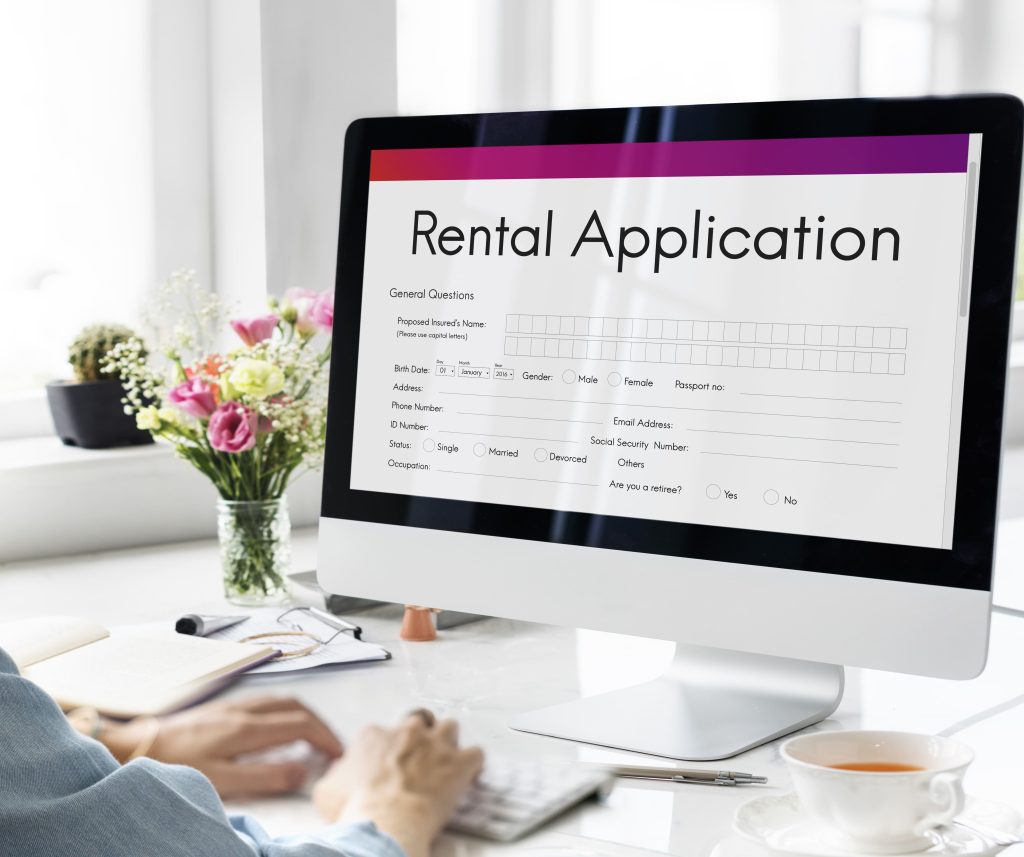
Getting rejected stings, but don’t take it personally. Instead, focus on boosting your renter game. Here’s how to turn “no thanks” into “when can you move in?”
- Check your credit and fix any errors
- Show consistent income: pay stubs, bank statements, or a co-signer
- Collect glowing references from past landlords or employers
- Be upfront about anything sketchy; explain, don’t hide
- Dress the part when meeting a landlord. No need for a tux, but clean doesn’t hurt
Also, apply early. In hot markets, the best units are gone faster than free pizza in a break room.
For Landlords: How to Say “No” Without Getting Sued
Hey, landlords, this one’s for you. You have the right to protect your property, but you also have to play fair. Always:
- Follow fair housing laws
- Use the same screening criteria for everyone
- Keep written records of why someone was denied
- Avoid discriminatory language in ads
- Train your staff (or yourself) on what’s legal
It’s not about being paranoid; it’s about being professional.
How Beacon Property Management Keeps Things Fair & Square
Whether you’re a renter looking for a place or a landlord who doesn’t want to land in legal hot water, Beacon Property Management has your back.
With years of experience managing rentals across Southern California, we:
- Use fair and consistent screening processes
- Keep communication clear and respectful
- Know the ins and outs of local and federal housing laws
- Help property owners avoid costly legal slip-ups
- Connect tenants with homes they can actually get approved for
In short: we’re the beacon (yes, pun intended) of clarity in a sometimes messy rental world.
Bottom Line
Yes, landlords can refuse to rent to someone but only for the right reasons. As a tenant, you have rights. As a landlord, you have responsibilities. And if either of you wants to avoid drama, it pays to know the rules.
Looking for help navigating the rental maze? Let Beacon Property Management light the way.