

Late rent. Two words that can make any landlord’s stomach drop a little. It’s not just about money, it’s about trust, communication, and sometimes even empathy. The rent check (or transfer) that doesn’t show up on time creates stress on both sides. The tenant is often dealing with something they might not want to admit, and the landlord is left wondering whether this is the start of a pattern or just a one-off blip.
Here’s the tricky part: how you respond in that moment can set the tone for the entire relationship going forward. Come down too hard, and you risk alienating a tenant who might otherwise have been great. Be too lenient, and suddenly the rent is more of a suggestion than a requirement. The balance is hard to strike, but it’s not impossible.
Start With Clear Expectations
Late rent is a lot easier to deal with if the groundwork has already been laid. Tenants should know exactly when rent is due, what the grace period (if any) looks like, and what late fees apply. These terms shouldn’t be buried in fine print; they should be easy to understand and consistently enforced.
It’s surprising how often miscommunication is the root of a “late” payment. Maybe the tenant thought they had until the fifth of the month. Maybe they didn’t realize an online payment system processes a day later than expected. Clear reminders, automated systems, and simple policies go a long way toward avoiding awkward conversations in the first place.
Communication First, Assumptions Later
The instinct when rent is late is to assume the worst. But often, late payment has more to do with timing hiccups than with defiance. A gentle but direct check-in is better than letting frustration simmer. Something along the lines of, “We noticed the payment hasn’t come through yet. Is everything alright?” leaves room for honesty without setting a hostile tone.
It doesn’t mean being soft or ignoring the seriousness of the situation. It just means starting with a question instead of an accusation. Many landlords find that tenants are more willing to be upfront if they feel they won’t be immediately punished for being late once.
Stick to Consistency
While empathy is valuable, consistency is critical. If the lease says there’s a late fee, apply it. Waiving fees here and there might feel like a goodwill gesture, but it can also set a precedent that undermines the policy altogether. Consistency keeps things professional. And ironically, it makes it easier to maintain a good relationship, since tenants know where the lines are drawn.
If a tenant is struggling with repeated delays, one practical step is offering structured solutions. For example, splitting payments into bi-weekly installments or setting up automatic drafts. These options don’t fix every issue, but they signal a willingness to work with the tenant while still keeping the boundaries intact.
When Late Becomes Habit
There’s a difference between the occasional late check and a tenant who regularly pays late. At that point, the problem isn’t just money, it’s reliability. Chronic late payments can snowball into bigger financial risks, especially if mortgage or maintenance costs depend on rent arriving on time.
This is where property managers often step in as a buffer. They’re experienced in separating excuses from genuine issues, and they already have systems in place for late notices, fee enforcement, and follow-ups. For landlords who don’t want every rent collection to feel like a confrontation, that kind of structure is a lifesaver.
The Legal Line
Every state has its own rules about what can and cannot be done when rent is late. That includes notice requirements, grace periods, and the process for pursuing eviction if things truly reach that point. The law doesn’t leave much room for improvisation, and making a mistake here can be costly.
For landlords who don’t have time to parse through legal language, property management companies help by keeping everything compliant. They know when a friendly reminder should shift into an official notice, and when escalation is not only appropriate but necessary. That knowledge alone often prevents small hiccups from turning into full-scale disputes.
Protecting the Relationship
The goal isn’t just to get paid, it’s to keep the tenant-landlord relationship intact, at least when it’s worth preserving. A tenant who feels respected is more likely to respect the lease in return. That’s why tone matters so much.
Even when late payments become a frustration, keeping communication professional and steady helps prevent the relationship from souring entirely. Remember, turnover costs money too. In many cases, working with a tenant through short-term struggles is cheaper and more sustainable than going through the hassle of finding a replacement.
Knowing When to Let Go
That said, not every situation is salvageable. Some tenants won’t change their habits, no matter how many reminders or payment plans are offered. In those cases, the most positive relationship you can maintain is one that ends cleanly, without unnecessary hostility.
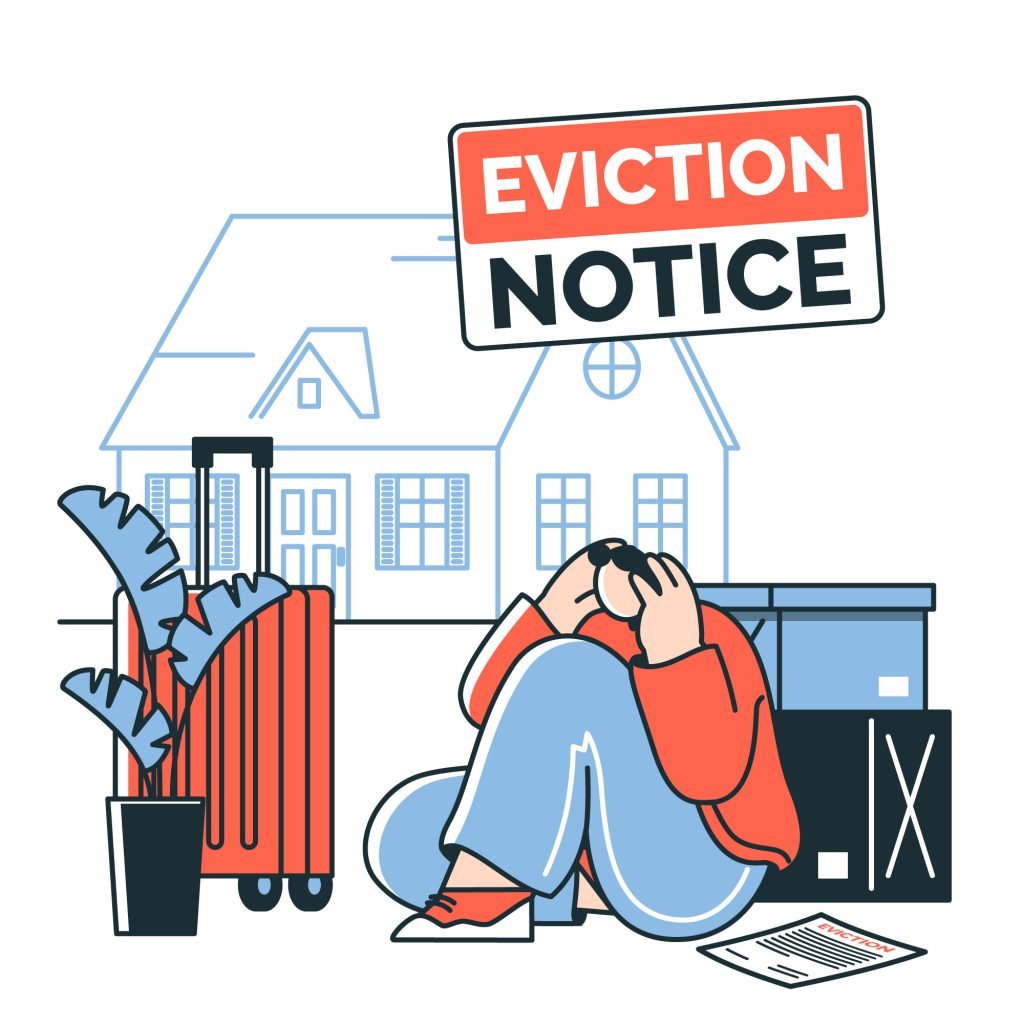
A firm but fair eviction process (handled legally, with all proper documentation) is sometimes the only way forward. It’s never pleasant, but avoiding it when it’s necessary usually makes things worse in the long run.
Final Thoughts
Handling late rent payments will never be fun, but it doesn’t have to be a nightmare either. With clear policies, steady communication, and a willingness to balance empathy with consistency, landlords can navigate the situation without losing their cool, or their tenants.
For those who would rather skip the stress of chasing down payments altogether, working with a professional team can make all the difference. At Beacon Property Management, we have the systems, the legal know-how, and the human touch to manage late rent while keeping relationships intact. It’s worth considering if the idea of one more awkward rent conversation is something you’d happily live without.